MOTS-c Peptide: Exercise Mimetic, Metabolism & Longevity Explained (2026)
MOTS-c is a unique 16-amino-acid mitochondrial-derived peptide encoded by mitochondrial DNA. It acts as a key metabolic regulator and exercise-responsive signal that can influence cellular energy, insulin sensitivity, and gene expression.
In this video we cover:
• What MOTS-c is and why it is different from nuclear-encoded peptides
• How it works (AMPK activation, nuclear translocation under stress, metabolic reprogramming)
• Research on insulin sensitivity, fat metabolism, and protection against metabolic stress
• Exercise-mimetic effects and improvements in physical performance (especially in aging models)
• Preclinical evidence strength vs limited human efficacy data
• Typical research dosing ranges, frequency, and cycle considerations
• How MOTS-c fits into mitochondrial and longevity discussions
MOTS-c levels naturally rise with exercise and decline with age. Most data remains preclinical, with human research still emerging. It is a research compound.
This is educational content only — not medical advice. Always consult a qualified healthcare provider.
If this clarified MOTS-c for you, like, subscribe, and leave your questions below.
#MOTSc #MOTScPeptide #MitochondrialPeptide #ExerciseMimetic #Longevity #MetabolicHealth #Peptides
#MOTSc
#MOTS-c
#MOTScPeptide
#MOTScBenefits
#MOTScDosage
#MitochondrialPeptide
#ExerciseMimetic
#MOTScInsulinSensitivity
#MOTScLongevity
#MOTScMetabolism
#AMPKPeptide
#MOTScResearch
#MOTScSideEffects
#MitochondrialDerivedPeptide
#MOTSc2026
More videos

What Is Tirzepatide? Dual GIP/GLP-1 and Why Should I Use It Twincretin Explained (2026)

How Is MOTS-c Manufactured? Peptide Synthesis, Sequence & Purity (2026)
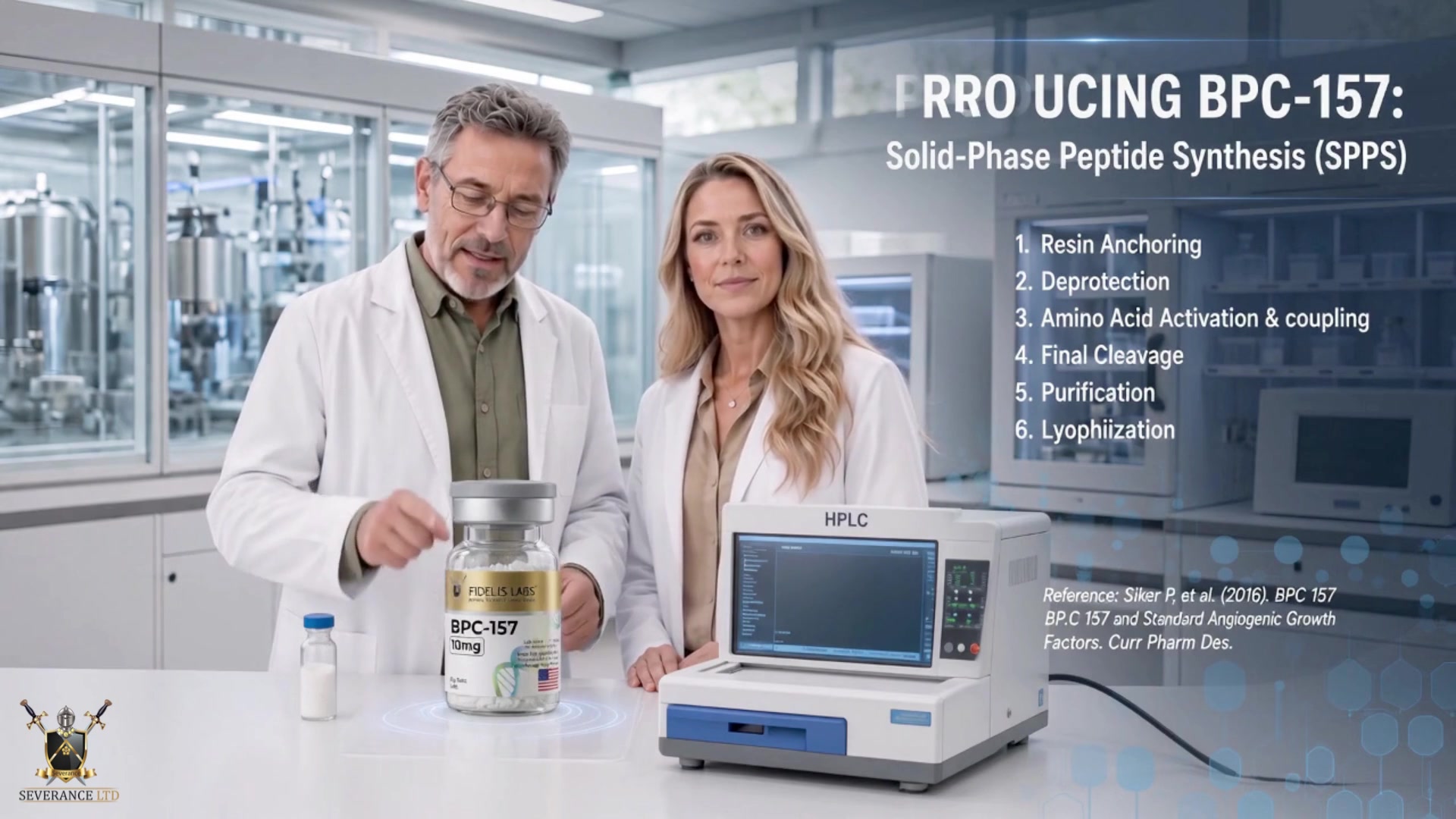
How Is BPC-157 Made? Peptide Synthesis, Sequence & Purity Explained

BPC-157 TB-500 MOTS-c the entire peptide process 2026

Research Peptides Shipped From USA ALWAYS. No overseas waiting. Steroids, Peptides, Semaglutide, Tirzepatide, GLP-3 RT, KLOW, Wolverine Stack